As temperatures begin to dip across the country, familiar warnings regarding winter energy security have re-emerged in the public discourse. Recent projections from the European Network of Transmission System Operators for Gas have identified the United Kingdom as one of the nations most vulnerable to potential supply crunches during an extended cold snap, renewing discussions about domestic storage capabilities, international market dependencies, and household bills.
The Anatomy of the Warning
The central concern stems from the interplay between domestic reserves and broader European storage levels. According to the network's findings, a prolonged period of freezing weather could heavily strain available supplies, forcing a greater reliance on imported liquefied natural gas. Observers have noted a skeptical public reaction to these annual forecasts, with many drawing parallels to recurring seasonal headlines about impending severe weather and utility price adjustments.
As one observer remarked regarding the timing of such announcements: “The very week temperatures begin to normalise for this time of year and they start this.” Another added: “Every year the threadbare media just report a press release word for word. It’s almost as if having a media that doesn’t have the expertise and capacity to question information and think long term - creates an environment that doesn’t encourage long term thinking in politicians or the public.”
Storage, Imports, and Market Pressures
The UK’s reliance on external markets highlights structural vulnerabilities in energy infrastructure. While the country benefits from pipeline connections and global shipping routes, critics point out that historical reductions in strategic storage capacity leave little buffer during peak demand periods. Disruptions to international shipping lanes, such as those affecting the Strait of Hormuz, further complicate the flow of global liquefied natural gas, keeping markets sensitive to geopolitical shifts.
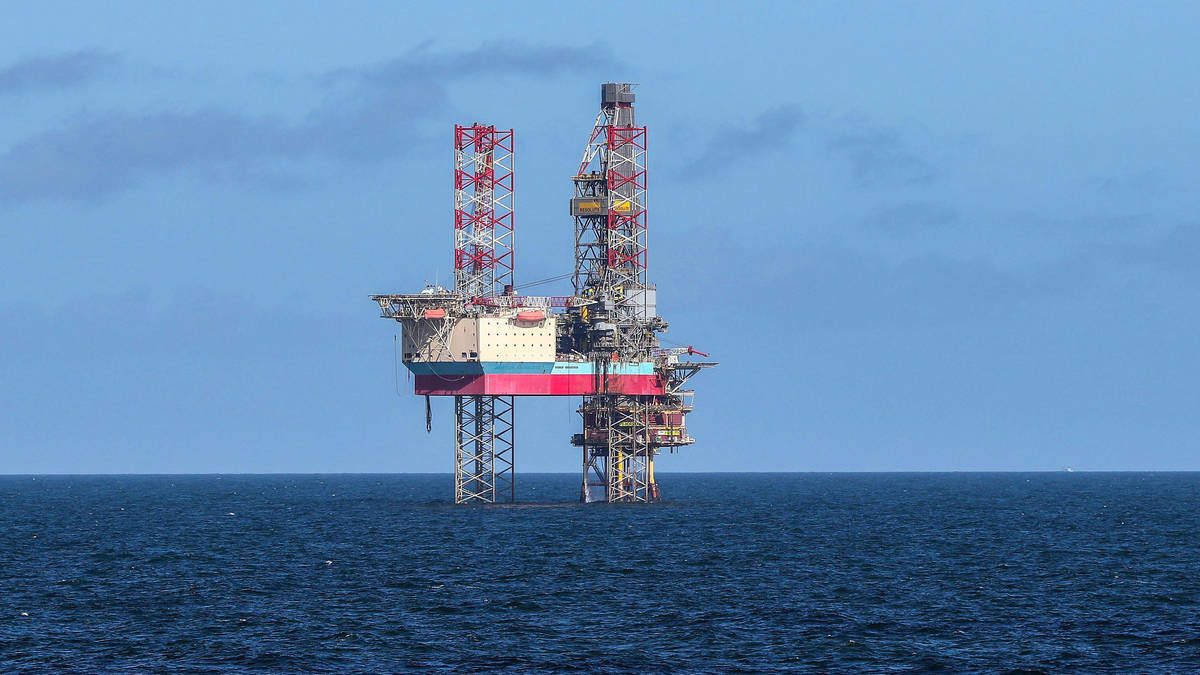
At the same time, discussions continue over whether to expand domestic extraction projects in the North Sea to bolster supply security. Proponents argue that increasing local production can mitigate foreign dependency, while critics emphasize the long-term necessity of accelerating renewable energy transitions to permanently lower consumer exposure to volatile fossil fuel markets.
Looking Ahead
Government officials maintain that the nation possesses a diverse energy mix and remains confident in its security of supply, emphasizing that gas is traded on international markets independently of domestic storage volumes. However, with household budgets already strained by wider economic pressures, the debate over how to balance short-term security with long-term affordability remains a central challenge as the colder months set in.

