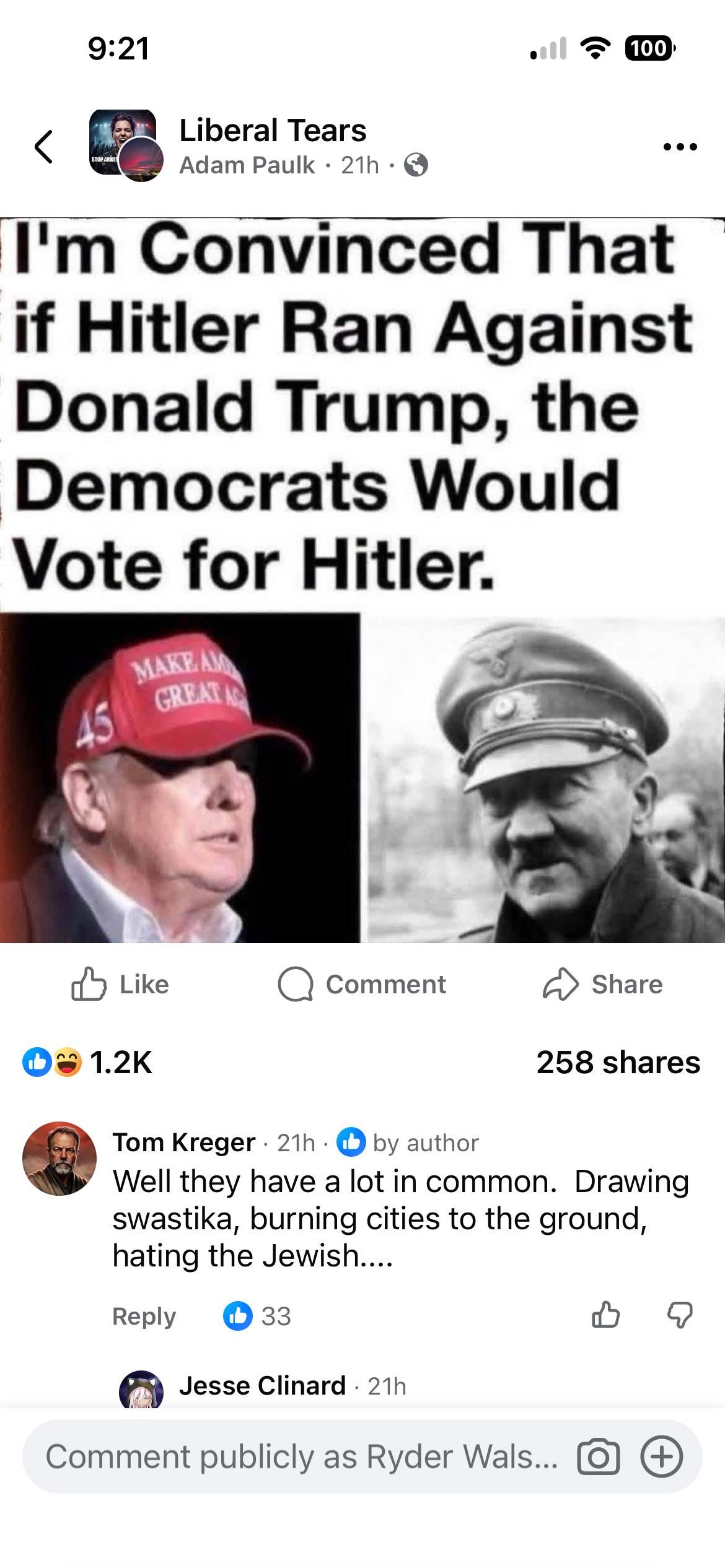
Modern political discourse often operates as a mirror of inverted historical definitions, where complex ideological legacies are simplified into blunt hyperbole. In hyper-partisan environments, accusations of totalitarianism, fascism, and anti-Semitism frequently circulate between opposing camps, leaving traditional historical paradigms fractured. As public political debate increasingly hinges on soundbites and provocative claims, the underlying mechanics of how voters perceive extremist ideologies remain intensely contested.
Ideological Inversions and Historical Realities
A recurring element in contemporary partisan clashes is the weaponization of mid-20th-century history. Detractors across the political spectrum regularly invoke authoritarian regimes to discredit their opponents. Central to these debates is the frequent confusion over historical terminology, particularly regarding the nature of fascism and its historical origins.
Critics often point out that authoritarian movements historically adapted popular terminology to broaden their initial appeal before systematically dismantling opposition. When analyzing historical totalitarianism, experts emphasize that early political labeling was often strategic rather than reflective of actual governance. Once in power, regimes routinely purged rival factions and established centralized control, regardless of their campaign branding.
In modern rhetoric, however, these nuanced historical trajectories are frequently compressed into quick soundbites. Controversies surrounding foreign policy, ethnic conflict, and civil liberties often see both sides trading accusations of ideological hypocrisy.
"Being against Israel's policies isn't antisemitic. Just like opposing preachers owning private jets isn't antiChristian"
The evolution of political stances regarding foreign nations further complicates these debates. Coalitions that once held specific isolationist or internationalist views often shift as geopolitical alliances pivot, leading to sharp disagreements over which political faction truly supports specific minority groups or international allies.
Party Loyalty and Primary Dynamics
A primary friction point in discussions of political figures and extreme ideologies concerns electoral mechanics. When commentators debate theoretical scenarios involving radical candidates competing against established leaders, the reality of primary elections often undermines the premise of cross-party blame.
"Republicans think we hate Trump because of his party. No we hate Trump because of who he is as a person. There is no reality Trump would ever run against a Hitler because Trump consistently butters up to dictatorship and despots. So if Hitler lived at the same time Trump does they'd more likely be allies than opposed."
Systemic political incentives mean that extreme elements within any political ecosystem typically attempt to influence or primary candidate slates from within, rather than launching cross-party challenges. This structural reality creates internal tensions within major political parties as traditional factions contend with radical factions for party dominance.
The Role of Disinformation and Foreign Influence
Underlying the rapid escalation of domestic political hostility is the pervasive presence of coordinated online engagement. Observers frequently note that inflammatory political narratives—particularly those designed to stir deep-seated outrage—are amplified by foreign actors and automated networks seeking to exploit existing domestic divides.
As public political dialogue continues to rely on extreme historical comparisons, the boundary between genuine ideological debate and political theater remains fluid. The ongoing challenge for citizens lies in disentangling substantive policy critiques from the performative rhetoric that defines contemporary public life.