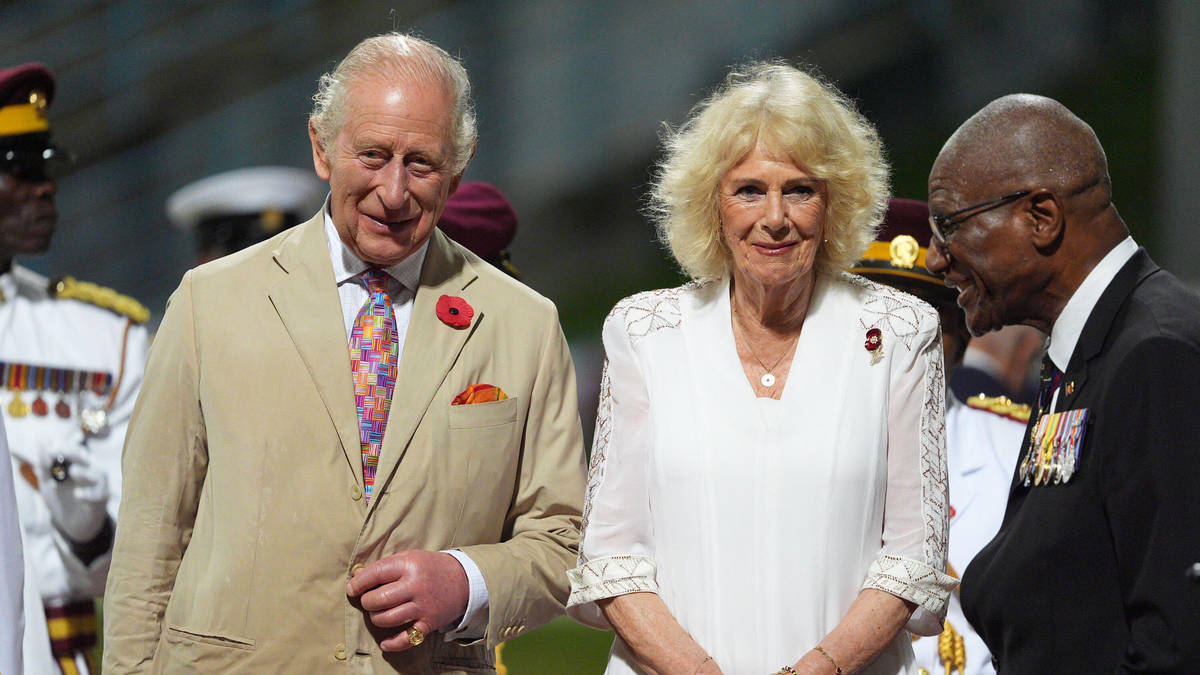
A high-profile Caribbean tour by King Charles III and Queen Camilla has brought long-standing questions about constitutional reform and historical redress back to the forefront. Following a meeting between the royal couple and Antigua and Barbuda's leadership, Prime Minister Gaston Browne reaffirmed his desire to see his country transition away from a constitutional monarchy, while also urging progress on discussions regarding transatlantic slavery reparations.
While speaking with reporters during the visit, Browne expressed his personal stance on the country's ultimate governance structure while emphasizing that any constitutional change remains in the hands of the nation's voters.
Constitutional Path to a Republic
Under Antigua and Barbuda's constitution, transitioning from a constitutional monarchy to a republic requires significant public approval, including a national referendum where more than two-thirds of citizens must vote in favor of the change.
Addressing his personal political stance and the necessary legal framework, Browne made it clear that respect for the current constitutional setup remains paramount until citizens decide otherwise:
"I can say to you, I am a Republican. So if you asked me about my personal view, I would like to see Antigua and Barbuda become a republic… but I have to recognise and accept the fact that there are certain constitutional provisions to become a republic, and that, ultimately, it is the decision of the people to determine whether or not we become a republic"
He added that while the country will continue to extend full courtesies and respect to the monarch, testing public opinion on the issue periodically remains a natural part of political governance.
Public reaction to the prospect of constitutional reform ranges from accepting the process as a routine national choice to viewing the debate through the lens of recent precedents in the region, such as Barbados's transition to a republic in 2021. Observers noted that the process is well understood and straightforward:
"Fair enough"
"So a genuine thought out opinion with balance and without hyperbole. Don't see anything wrong with that."
Discussions Surrounding Reparations and Foreign Development
Alongside the question of head of state, the visit highlighted broader conversations regarding the legacies of the transatlantic slave trade. Recent statements from British officials offering "structured dialogue" and expressing regret for historical suffering have drawn significant attention across the Commonwealth.
However, British officials have consistently maintained that financial reparations are not under consideration, pointing to the position that current taxpayers cannot be held financially liable for historical events. Antigua and Barbuda's leadership suggested that any formal financial mechanisms or redress could be structured through international development funds rather than direct financial liabilities on taxpayers, aiming for broader consensus on international development.
Other leaders within the 15-member Caribbean Community (Caricom) have indicated a readiness to engage in structured dialogue, though several have emphasized that discussions should remain open to addressing long-term impacts thoroughly.
As the tour continues and Commonwealth discussions unfold, the twin subjects of republicanism and historical repair remain central themes in how former colonies navigate their future relations with the monarchy and the wider international community.

